Researchers | Sarah Eycken, Laura Kollwelter, Ana Schultze & Lies Van de Cappelle.
Promotor & co-promotors | Inga Rossi-Schrimpf, Sascha Bru, Michel Draguet, Karine Lasaracina & Frederik Truyen.
Follow-up committee | Adriaan Gonnissen (KMSKA), Sergio Servellon (FeliXart), Béatrice Joyeux-Prunel (University of Geneva), Paweł Polit (Muzeum Sztuki) & Ellen Van Keer (meemoo).
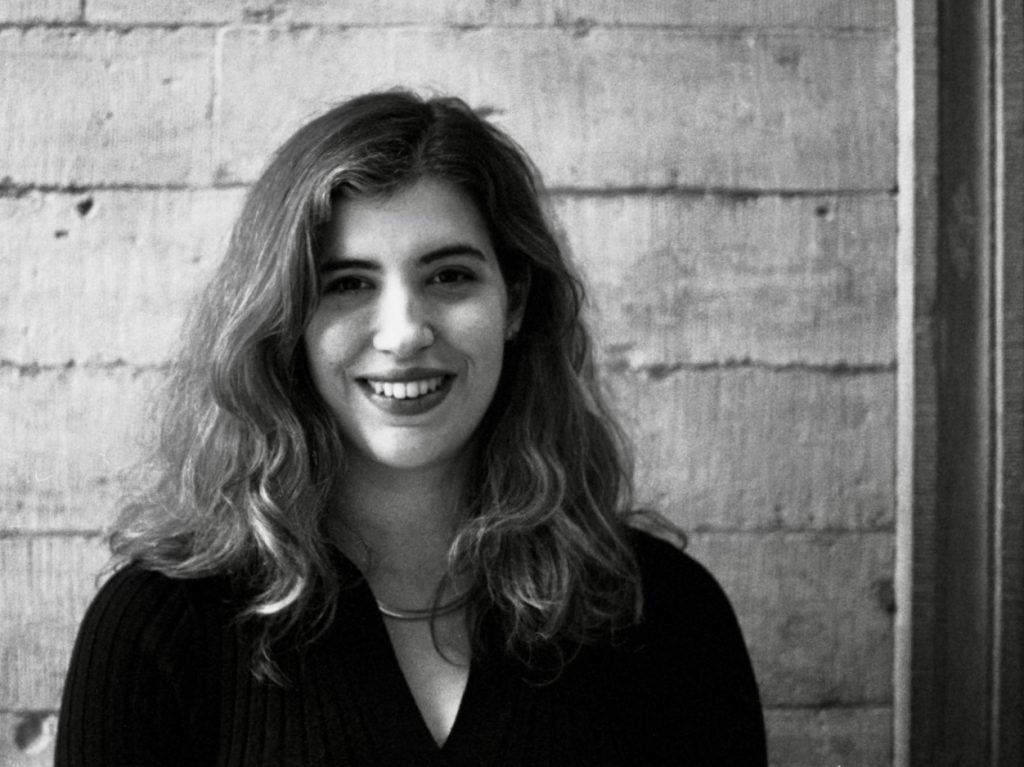
Sarah Eycken is the PhD student of the BePAPER project. Over the course of her studies in art history and languages and literature, she developed a particular interest in the relationship between word and image. That is why she finds avant-garde magazines especially fascinating.
During her doctoral studies, she will mainly investigate why and how Belgian avant-garde artists turned to the medium of paper, what status paper attained in their work and how the medium influenced the aesthetics of these artists. She will work at the RMFAB during the first half of her PhD, after which she will spend the last two years writing her thesis at KU Leuven.
When she is not doing research, you can usually find her in second-hand bookstores as she is an avid collector of literary classics and exhibition catalogues.
Laura Kollwelter studied history of art at the Université Libre in Brussels and at La Sapienza in Rome. She is the scientific researcher of the BePAPER project and can’t seem to get enough of the RMFAB’s collection. After working on the collection project ‘14-18 Rupture or Continuity’ (2016-2018), she has returned to focus more particularly on Belgian works on paper.
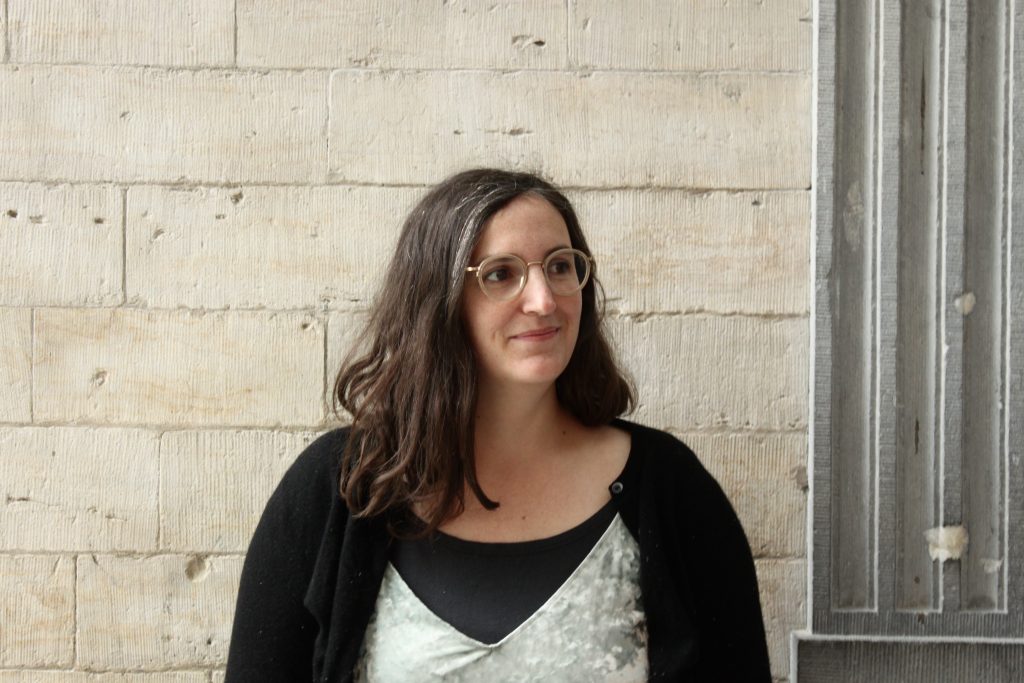
She will mainly deal with the cataloging of the modern art collection (1918-1950) as well as the organization of a colloquium, a scientific publication and a series of conferences in collaboration with the Université Libre de Bruxelles. Her favorite part of the job is reading artist’s letters in the archives, her least favorite part is that some of them have an undecipherable handwriting.
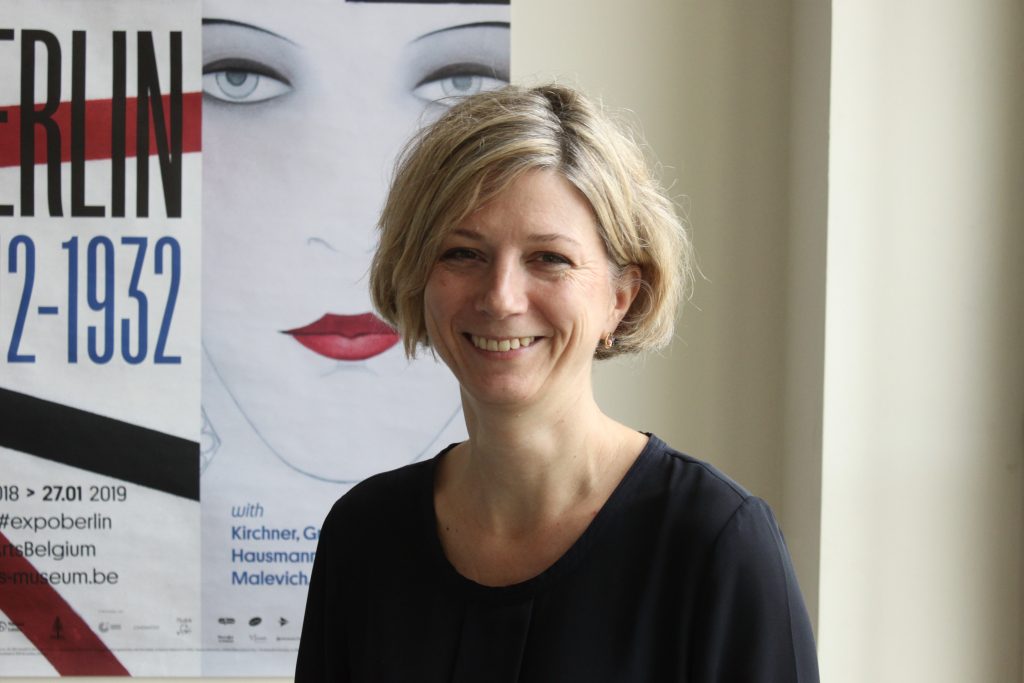
Inga Rossi-Schrimpf is the operational director of collection and research at the Royal Museums of Fine Arts and has been curator of the collection of modern works on paper since September 2011. She holds a PhD in Art History and a Master in Art History, Roman Philology and Applied Cultural Studies. Her special interest next to modern art on paper and its specificity and role in European and Belgian art history, lies in the period from the late 19th until the mid-20th century as well as in the artistic links from Belgium to Germanic countries and in reception studies.
She currently supervises different research projects and (co-)curated several collection displays as well as temporary exhibitions, including those on Belgian Art around the First World War and the artistic scene of Berlin in the years 1912 to 1932 from a Belgian perspective.
Michel Draguet is professor at the Université Libre de Bruxelles and general director of the Royal Museums of Fine Arts of Belgium. He created the Magritte Museum in 2019 and the Fin de Siècle Museum in 2013.
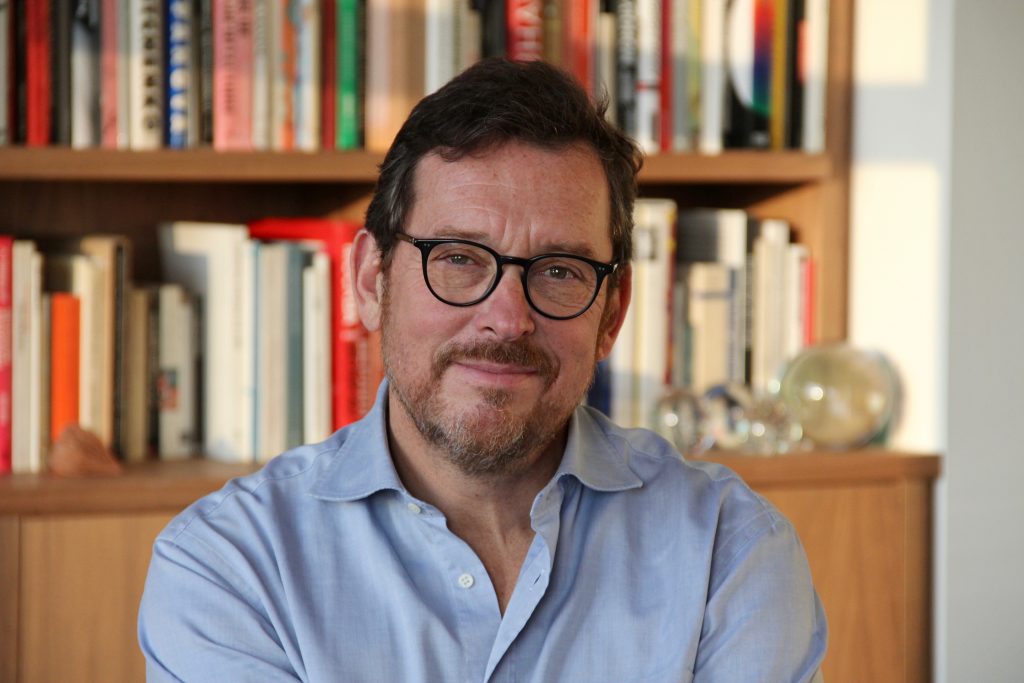
As a specialist in paintings of the 19th and 20th centuries, he has commissioned several exhibitions. He wrote multiple reference works about symbolism, published monographs about Félicien Rops, Fernand Khnopff, René Magritte, Pierre Alechinsky and James Ensor and also wrote about Kasimir Malevich and Christian Dotremont.

Sascha Bru is professor in general literature at KU Leuven with a strong interest in European avant-garde culture. He has devoted several studies to the modernist movements of cubism, futurism, expressionism, Dadaism, surrealism and constructivism. He is particularly drawn to the manifestations of cultural practices within the arts, be it in literature, visual arts, architecture, or the performing arts.
His work serves a double purpose. On the one hand, it aims to help disclose the history of European avant-garde practices in the arts within a global setting so that we come to better understand their past: their richness, complexity and conditions of possibility. On the other hand, Bru is interested in facets of avant-garde culture which we have not yet fully come to terms with and which could still inform cultural practice today or in the future.
Bru is a founder of the European Network for Avant-Garde and Modernism Studies. As director of the MDRN research lab and head of the Theory and Cultural Studies Research Group, he acts as supervisor of various research projects in his field.
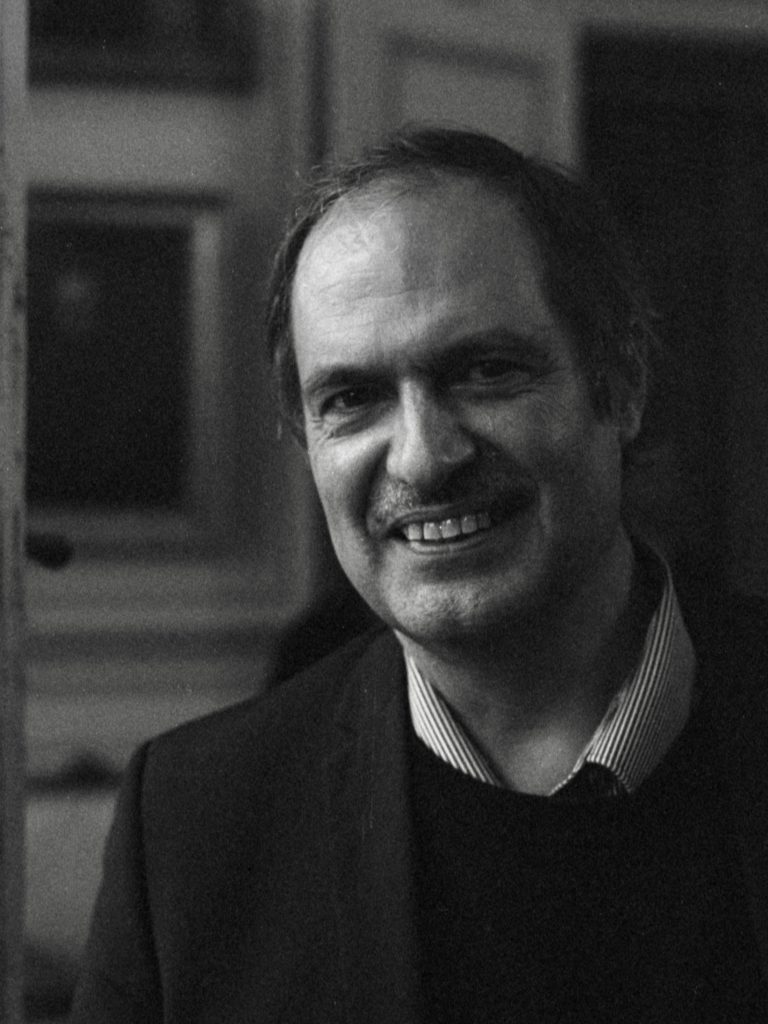
Frederik Truyen is professor at the Faculty of Arts, KU Leuven. He is experienced in data modelling and metadata development for image databases in the cultural-historical field. His main research focus is the digital transformation of cultural heritage institutions. He is the treasurer of the Europeana Network Association, president of Photoconsortium and a member of DARIAH-VL. He is in charge of CS Digital and directs the master’s program in Digital Humanities and teaches online publishing and digital cultural heritage.
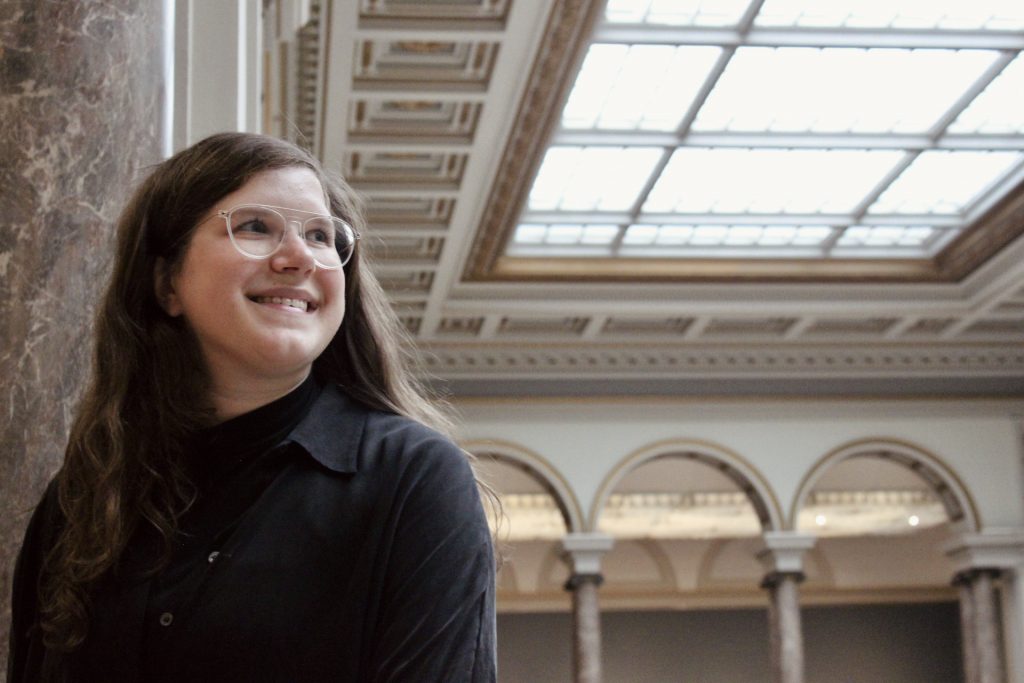
Throughout her studies and work in both art history and digital humanities, Ana Schultze developed a strong interest in the intersections between art and technology. As the information specialist for BePAPER, she focuses on quantitative research: data analysis, visualization, open data, and online communication (among which this website!). She also contributes to enhancing the digital collection management of the RMFAB. You can often find her exploring analog techniques on paper such as photographic printing and collage making.
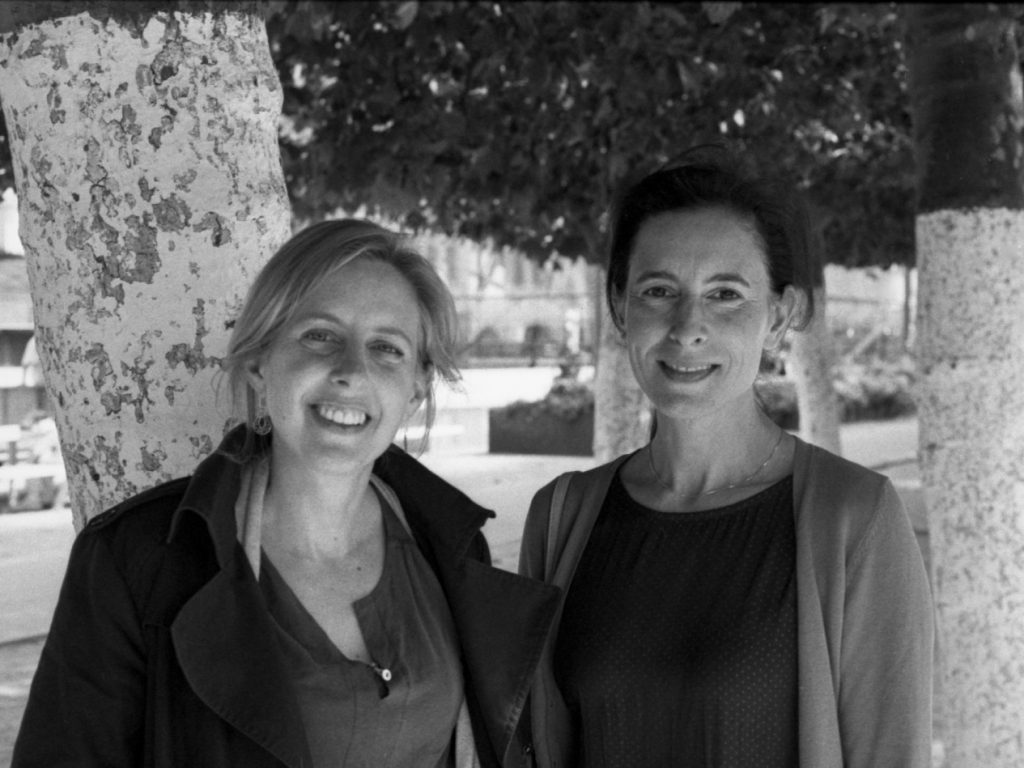
Art historian Lies Van de Cappelle started her career at the RMFAB in 2006 after further education and work experience in monument preservation. With prior knowledge in the field of heritage registration, her initial focus was on the digital registration of the art collections. Soon this was combined with the practical coordination of the internal collection digitization and national and international digitization projects.
Today she is the digital collection management coordinator of the Digital Museum unit and she leads a number of research projects (executive or as a supervisor) for the RMFAB. Her current research areas are open data, reuse, copyright and AI applications with a focus on image recognition.
Karine Lasaracina is head of the Digital Museum team. Leading the digital strategy of the RMFAB, she defines and implements the institution’s digitization and archiving policies. Her strengths lie in choosing and developing digital applications (immersive, interactive, virtual reality) that contribute to creating a link between the collections, research and the public.
She is in charge of setting up a new workshop at the RMFAB for digitizing artworks and documents, bringing together cutting-edge research and respect for international standards. She is also the promoter of various research projects, working on artificial intelligence as well as on innovation in the field of art images. Open access and interoperability are at the heart of her research concerns.